If you're renting a trailer for the first time in the Lower Mainland, the main things to get used to are wide turns, longer stops, and bigger blind spots. Ride On Rentals in Delta rents enclosed cargo, dump, car hauler, and flatbed trailers. We'll go over the basics so you feel more confident hooking up and driving on BC roads.
Why do I need to turn wider when towing a trailer?
The trailer's wheels track inside your truck's rear wheels. If you cut a corner like you normally would, the trailer tires can hop the curb or clip a parked car. That's why you swing out a bit before turning. On tight city streets in Vancouver or Richmond, give yourself extra room and watch your inside mirror as you complete the turn. This is especially important in residential areas where cars park close to intersections and pedestrians are around. Take the corner slowly and don't rush it, even if someone behind you is waiting.
When you're backing into a laneway or a driveway in Delta, remember the trailer turns the opposite way. Go slow and use a spotter if you can. Practice in an empty parking lot first, not on a busy street. The key is to make your turn wide enough that the trailer follows your truck's path, not a tighter one. If you're on a narrow road, you might need to pull forward a bit more before starting your turn. That extra room gives the trailer space to track properly without hitting anything.
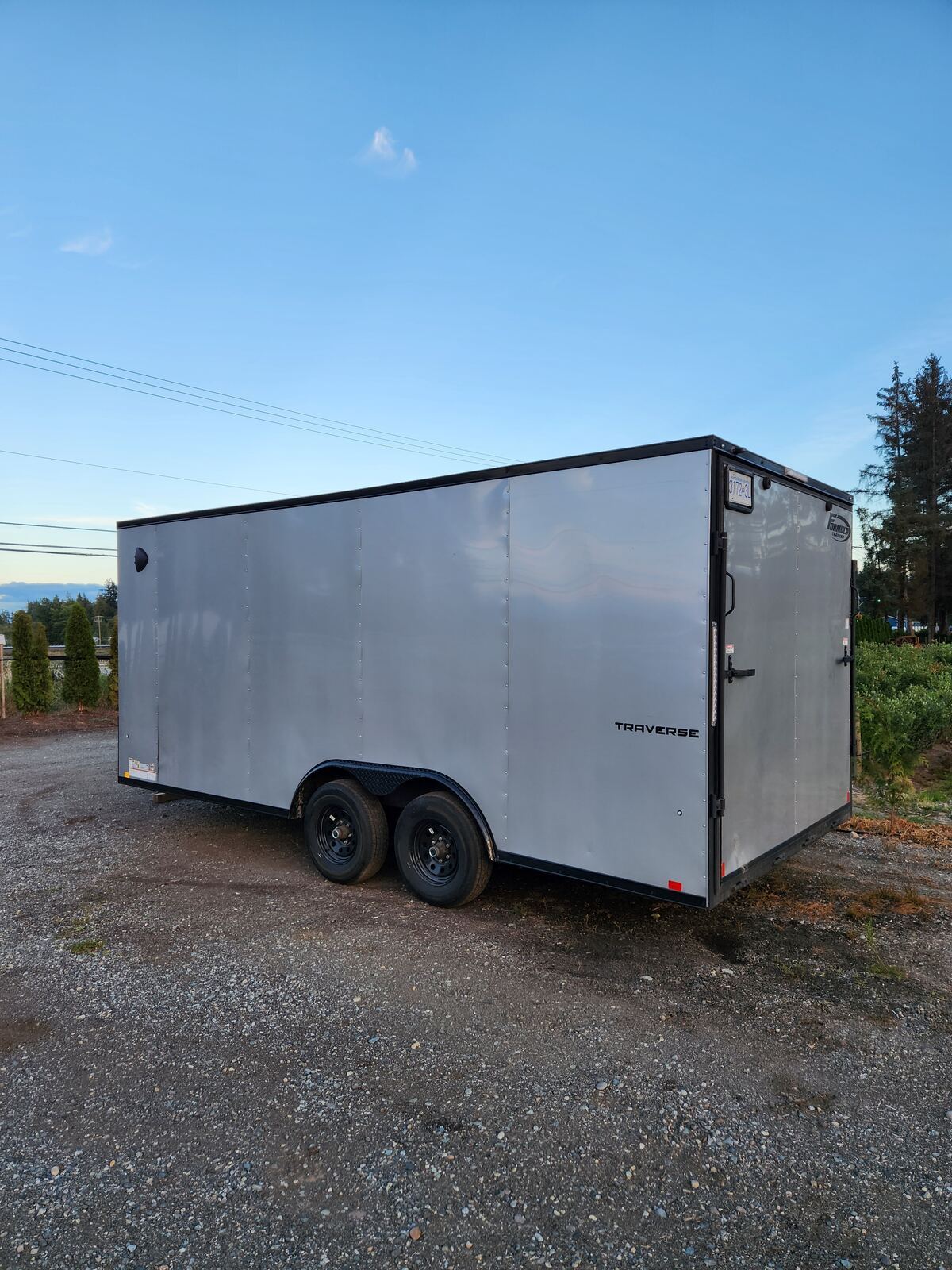
How much longer does it take to stop with a trailer?
Loaded trailers add serious weight, so your stopping distance grows a lot. You need to leave more space between you and the car ahead. On the Alex Fraser or the Massey Tunnel approaches, traffic can stop suddenly. Give yourself at least double the gap you'd normally keep. Brake earlier and smoother than you would without a trailer. This is not the time to tailgate. Watch the traffic ahead of you and anticipate stops well before they happen, especially in stop-and-go conditions.
Also, avoid sudden braking on hills. Around Coquitlam or Surrey, you'll hit slopes where the trailer can push you forward. Downshift to a lower gear before descending, and use engine braking to help slow down. That takes strain off your brakes and keeps you in control. If you feel the trailer swaying, ease off the gas and gently brake. Keep your hands steady on the wheel and don't overcorrect. Sway usually happens at higher speeds, so slow down gradually until the trailer settles back in line.
What should I check in my mirrors before changing lanes?
Your trailer creates blind spots on both sides that you can't see with just your side mirrors. You need to adjust your mirrors so you can see the trailer's tires and the lane beside you. Before changing lanes on Highway 91 or the #1, do a shoulder check, then glance at your mirrors again. The trailer can hide a car that's right beside you. Make it a habit to check your mirrors every few seconds while driving, not just when you're about to move over. This keeps you aware of what's around you at all times.
Some trailers come with extension mirrors, but not all. If you're renting a car hauler or flatbed, ask about mirror options when you book. In tight spots like the Oak Street Bridge, take your time. Signal early, check twice, and only move over when you're sure the lane is clear. If you're not certain about a gap, wait for the next one. It's better to miss an exit than to cause an accident. Remember that your trailer is wider than your truck, so you need extra clearance on both sides.
How do I handle lane changes and highway driving with a trailer?
On the highway, keep your speed steady and avoid sudden lane changes. The trailer follows your truck, so any quick move makes it sway. Pick a lane and stay in it unless you really need to move. When you do change lanes, do it gradually and keep your speed constant. Wind from big trucks can push a trailer, so hold the wheel firm. If you're passing a large vehicle, give it extra room and be prepared for a gust of wind as you come alongside.
If you're heading out to Langley or the Fraser Valley, expect some crosswinds. Slow down a bit and don't overcorrect if the trailer moves. Also, leave extra room when merging onto the highway. You need more time to get up to speed, so use the full merge lane and signal early. Don't force your way into traffic. Wait for a proper gap and then accelerate smoothly. Once you're on the highway, keep a steady throttle and avoid unnecessary speed changes.
What else should a first-time tower know before picking up a trailer in Delta?
Before you hook up, check that your hitch is the right class. Most standard trucks and SUVs with a Class 3 hitch will handle our trailers, but tell us what you're driving when you book. We'll confirm the hitch and wiring, whether you need a 4-pin or 7-pin connector. Also, check that the trailer lights work before you leave our lot. This includes turn signals, brake lights, and running lights. A quick walk-around takes two minutes and can save you from a ticket or an accident.
Load the trailer evenly, heavier stuff on the bottom and toward the front. That keeps the trailer stable at speed. Make sure everything is tied down securely, especially if you're hauling equipment or yard waste. Use ratchet straps and check them after the first few kilometres. If you're renting a dump trailer, practice lifting the bed in an open area first. And always take it slow on your first trip, especially around corners and stops. Give yourself extra time to get where you're going, so you're not tempted to rush.
Quick questions
Can I tow a trailer with my SUV for the first time?
Most SUVs and trucks with a Class 3 hitch can tow our trailers. Tell us your vehicle when you book and we'll confirm it works. We'll also check your wiring connector, either 4-pin or 7-pin.
What's the hardest part of towing for a beginner?
Wide turns and longer stopping distances catch most people off guard. Give yourself extra room on corners and brake earlier than you think you need to. Practice in an empty lot before hitting the highway.
Do I need special mirrors to tow a trailer?
Not always, but they help. Your stock side mirrors may not show the trailer's sides. Adjust them so you can see the trailer tires, and consider clip-on extension mirrors for longer trips.
How do I avoid trailer sway on the highway?
Keep your speed steady, load the trailer evenly with weight toward the front, and avoid sudden steering. If you feel sway, ease off the gas and gently brake. Don't jerk the wheel.
If you're planning your first tow, give Ride On Rentals a call at (604) 767-7977 to ask which trailer suits your vehicle and load. We'll help you get set up before you leave Delta.